
Reducing food waste at home is both an environmentally friendly practice and a smart way to save money. Every year, millions of tons of food end up in landfills, contributing to greenhouse gas emissions and wasting valuable resources. By adopting a few simple habits, you can make a big difference. In this post, we’ll explore practical and straightforward ways to reduce food waste right in your kitchen.
Understanding Food Waste at Home
Before diving into tips, it helps to understand where food waste commonly happens. At home, food often goes to waste due to:
– Buying more than needed
– Poor storage
– Forgetting leftovers
– Misunderstanding expiration dates
– Cooking too much food
Knowing these common pitfalls can help you be more mindful and plan better.
Plan Your Meals and Grocery Shopping
Make a Weekly Meal Plan
Planning meals ahead of time is one of the best ways to reduce food waste. When you know exactly what you’ll eat during the week, you can buy only the ingredients you need.
– Write down meals for each day
– Check your pantry and fridge before shopping
– Avoid impulse buys by sticking to your list
Create a Smart Shopping List
Organize your shopping list based on what you actually need, focusing on perishable items first. Consider buying loose produce instead of pre-packaged to get the right amount.
Store Food Properly
Proper storage extends the life of your food and keeps it fresh longer.
Use Clear Containers
Store leftovers and opened packages in clear containers so you can easily see what’s inside, preventing forgotten food.
Know Your Fridge Zones
Place fruits, vegetables, dairy, and meats in the right spots inside your refrigerator. For example:
– Keep leafy greens in the crisper drawer
– Store dairy on the middle shelves where the temperature is most consistent
– Keep raw meat on the lowest shelf to prevent drips
Freeze Extra Food
If you have excess items or leftovers you can’t eat right away, freezing is a great option. Label and date everything to keep track.
Practice Portion Control
Serving the right amount of food reduces uneaten leftovers. When cooking:
– Use measuring cups or scales to portion meals
– Start with smaller servings; you can always go back for more
– Encourage family members to take only what they will eat
Use Leftovers Creatively
Instead of tossing leftovers, get creative with how you use them.
– Turn cooked vegetables into soups or stews
– Use stale bread for croutons or breadcrumbs
– Combine small amounts of leftover veggies and proteins into casseroles or stir-fries
Understand Expiration Dates
“Best by,” “use by,” and “sell by” dates can be confusing.
– “Best by” indicates when food is at peak quality but doesn’t mean it’s unsafe after that date
– “Use by” is more about safety; avoid consuming items after this date
– Use your senses: smell, look, and taste (when safe) before discarding food
Compost Food Scraps
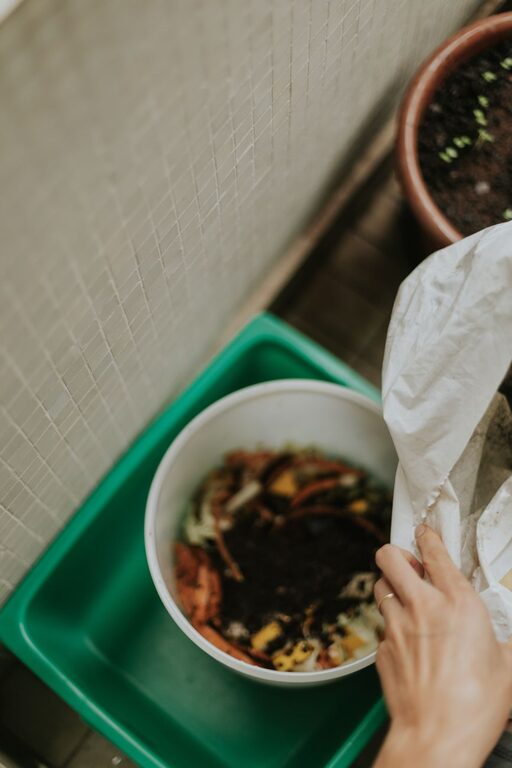
Even with careful planning, some food scraps are unavoidable. Composting is an eco-friendly way to recycle food waste instead of sending it to the landfill.
– Set up a kitchen compost bin for vegetable peels, coffee grounds, and eggshells
– Avoid composting meat, dairy, or oily foods to prevent odors and pests
Educate Your Household
Get everyone involved in reducing food waste.
– Share tips and goals as a family or with roommates
– Encourage mindful eating and waste reduction
– Make it a fun challenge to reduce waste weekly or monthly
Benefits of Reducing Food Waste
By cutting down on food waste, you’ll enjoy:
– Saving money on groceries
– Less cluttered fridge and pantry
– Reduced environmental impact
– Opportunities for creative cooking
– Less stress about meal planning
Final Thoughts
Reducing food waste at home may seem like a small step, but it adds up to significant savings and environmental benefits. With a bit of planning, smart storage, and creative use of leftovers, anyone can make a positive change. Start with one or two tips today and build from there—you’ll be amazed at the difference.
—
By adopting these habits, your home can contribute to a healthier planet while improving your food routines and budget. Why not start now?