Reducing food waste at home is not only good for your wallet but also beneficial for the environment. Millions of tons of food end up in landfills every year, contributing to greenhouse gas emissions and wasting valuable resources. By adopting a few simple habits, you can make a big difference. This post will explore practical ways to reduce food waste in your kitchen and daily life.
Why Reducing Food Waste Matters
Before diving into tips, it’s helpful to understand why reducing food waste is important. Food production uses water, energy, and labor. When food is thrown away, all those resources are wasted too. Additionally, decomposing food waste produces methane, a potent greenhouse gas that harms the environment. Cutting down on waste helps:
– Save money by maximizing your food purchases
– Reduce environmental impact
– Encourage thoughtful consumption habits
With that in mind, let’s look at actionable steps you can take.
Plan Your Meals Ahead
One of the best ways to avoid food waste is to plan meals in advance.
Make a Weekly Meal Plan
Creating a simple weekly menu helps you buy only what you need. It also reduces impulse purchases that might go unused. Consider:
– Writing down meals for breakfast, lunch, and dinner
– Creating a detailed shopping list based on your plan
– Checking your pantry and fridge before shopping to avoid duplicates
Batch Cooking and Portion Control
Cooking in batches and dividing meals into portions can prevent leftovers from being forgotten or wasted. Freeze what you won’t eat immediately for future meals.
Smart Grocery Shopping
How you shop can greatly influence how much food gets wasted.
Stick to Your List
Impulse buys often lead to food that spoils before you can use it. Commit to your shopping list to avoid this.
Buy Loose Produce
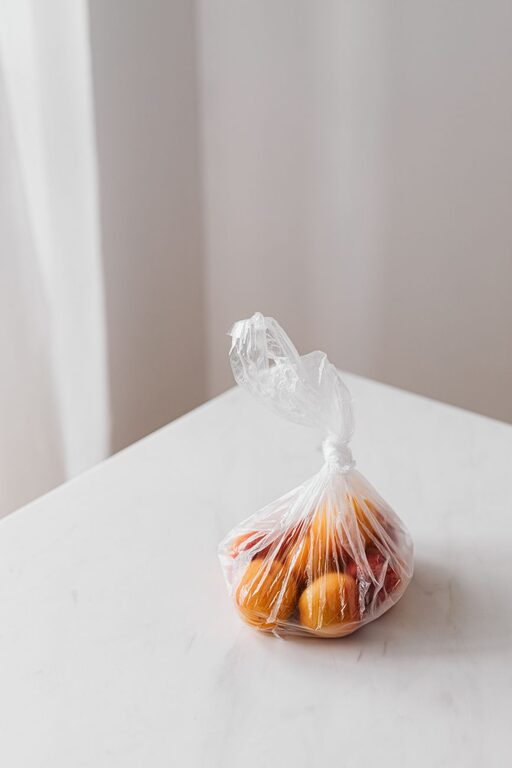
Buying loose fruits and vegetables allows you to select the exact quantities you need, reducing excess.
Choose Fresh Food Wisely
Check expiration dates and buy items with dates far enough ahead so you can consume them before they spoil.
Proper Food Storage
Storing food correctly extends its shelf life and keeps it fresh longer.
Understand Storage Guidelines
Different foods require different storage conditions:
– Keep leafy greens in airtight containers with a paper towel to absorb moisture
– Store bread in a cool, dry place or freeze for longer storage
– Keep fruits like apples and bananas separate to avoid premature ripening
Use Clear Containers
Using transparent containers lets you see what’s inside, reminding you to use those items first.
Use Leftovers Creatively
Leftovers don’t have to be boring or forgotten.
Repurpose Meals
Get creative by transforming leftovers into new dishes, such as:
– Turning roasted vegetables into soups or frittatas
– Using stale bread for croutons or bread pudding
– Mixing cooked rice or grains into salads or stir-fries
Keep a Leftover Day
Designate one day a week to eat all leftover food before cooking something new.
Monitor Expiration Dates
Keeping track of when foods will expire helps you prioritize what to eat.
First In, First Out (FIFO) Method
Organize your pantry and fridge so that older items are in front and used first.
Use Technology
There are many apps available that can remind you when food items are approaching their expiration dates.
Compost Food Scraps
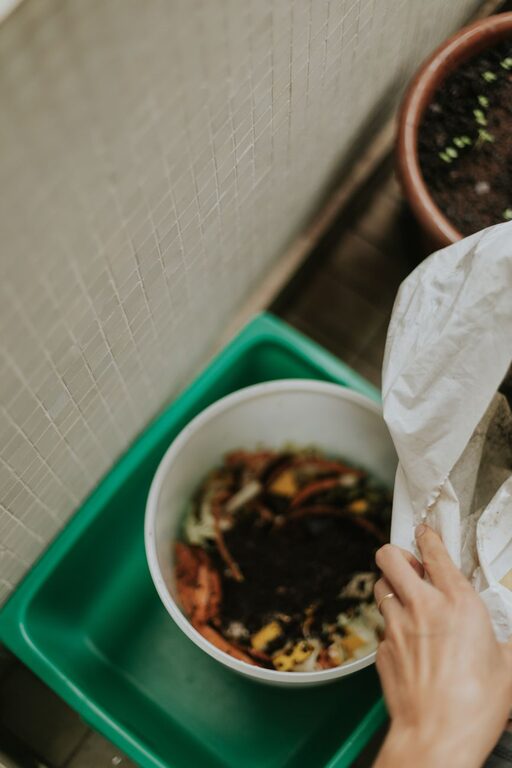
Not all food waste can be avoided, but composting is an excellent way to recycle organic waste.
Start a Home Compost Bin
If you have a garden, composting vegetable scraps and other biodegradable waste enriches your soil.
Learn What to Compost
Avoid adding meat or dairy to compost bins if not equipped to handle them.
Educate Your Household
Involve family members or roommates in reducing food waste.
Share Knowledge and Responsibilities
Discuss food waste goals and assign tasks like meal planning or inventory management to different people.
Encourage Mindful Eating
Serve smaller portions to start and allow seconds to reduce uneaten food left on plates.
Donate Surplus Food
If you have unopened, safe-to-eat food that you won’t consume, consider donating it to local food banks or shelters.
Final Thoughts
Reducing food waste at home is achievable with thoughtful planning and small lifestyle changes. By following these tips, you’ll save money, reduce your environmental footprint, and enjoy fresher, more intentional meals. Start with one or two strategies and build from there. Every effort counts toward a more sustainable future.