Reducing food waste at home is a smart way to save money, conserve resources, and help the environment. Every year, millions of tons of food are thrown away worldwide, often because of poor planning or misunderstandings about food freshness. By making small changes in your daily routine, you can cut down on wasted food and enjoy fresher meals.
In this post, we’ll explore practical strategies you can use to reduce food waste in your household. From shopping smarter to storing food properly, these tips are easy to follow and can make a significant difference.
Why Reducing Food Waste Matters
Before diving into the how, it’s good to understand the why. Food waste impacts the environment through wasted water, energy, and labor used to produce food that never gets eaten. Additionally, decomposing food in landfills releases methane, a potent greenhouse gas. Reducing food waste also benefits your wallet, as you get more value from the groceries you buy.
Plan Your Meals Thoughtfully
One of the best ways to cut food waste is by planning your meals ahead of time.
Create a Weekly Meal Plan
– Check what you have: Look through your fridge and pantry before grocery shopping to avoid buying duplicates.
– List meals: Decide what you want to cook for the week, including breakfasts, lunches, dinners, and snacks.
– Shop with a list: Stick to your shopping list to prevent impulse buys.
Planning helps you buy only what you need and reduces the risk of food spoiling before use.
Portion Control
Make meals in quantities suitable for your household size. Overcooking can lead to excess food that might not be eaten and ends up in the trash.
Store Food Properly
Proper storage helps keep food fresh longer and prevents spoilage.
Understand Food Expiration Dates
– “Best by” vs. “Use by”: “Best by” is about quality, not safety, so food might still be good after that date.
– Smell and texture: Trust your senses to decide if food is still edible.
Use Air-tight Containers
Keep leftovers and pantry items in sealed containers to prevent moisture, mold, and pests.
Organize Your Fridge
Place older items in front and newer ones in the back to use food before it expires.
Temperature Matters
Keep your refrigerator between 35-38°F (1.7-3.3°C) and your freezer at 0°F (-18°C) for optimal food preservation.
Be Creative with Leftovers
Leftovers don’t have to be boring or wasted.
Repurpose Food
– Turn stale bread into croutons or breadcrumbs.
– Use vegetable scraps to make broth.
– Incorporate extra cooked veggies into soups or omelets.
Label Leftovers
Write dates on containers to keep track of freshness and encourage eating them promptly.
Buy Only What You Can Use
If you shop in bulk, be mindful of how much you can realistically consume before it spoils.
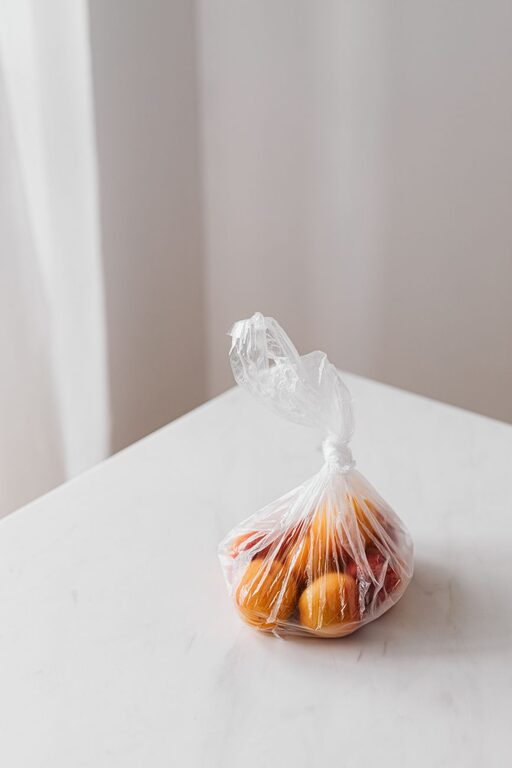
Avoid Single-Use Packaging
Buying in bulk can save money and packaging, but only if you use it all.
Frozen and Canned Options
Frozen fruits and vegetables often last longer and can be used as needed, reducing waste.
Compost Food Scraps
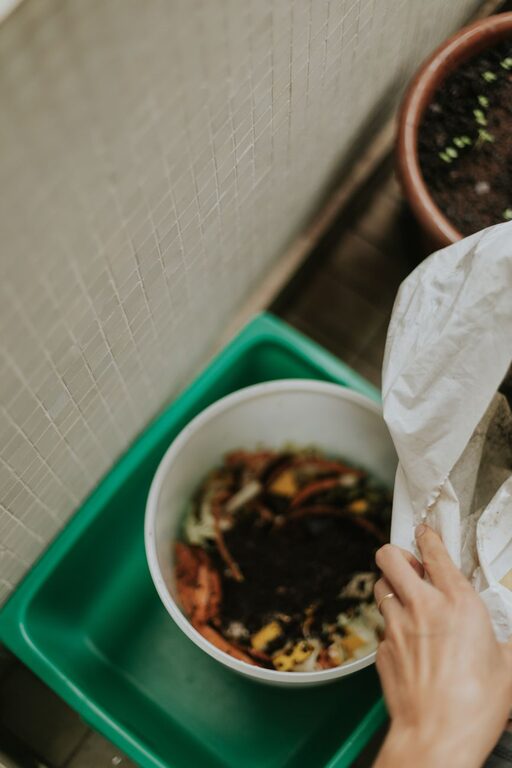
For unavoidable food waste such as peels and cores, composting is a great option.
How to Start Composting at Home
– Use a compost bin in your backyard or an indoor compost container.
– Add fruit and vegetable scraps, coffee grounds, and eggshells.
– Avoid meat, dairy, and oily foods to reduce odors.
Composting turns waste into nutrient-rich soil that benefits your garden.
Educate Your Household
Encourage everyone in your home to be mindful about food.
Set Rules and Share Tips
– Use shared calendars or notes to remind about leftovers.
– Teach kids about the value of food and the impact of waste.
Conclusion
Reducing food waste at home is easier than you might think. By planning meals, storing food properly, using leftovers creatively, and composting scraps, you can make a positive impact on the environment and your budget. Start with small changes and build habits that help you enjoy food more and waste less.
Try these tips today and watch how they transform your kitchen and reduce your food waste. Every bit helps!