
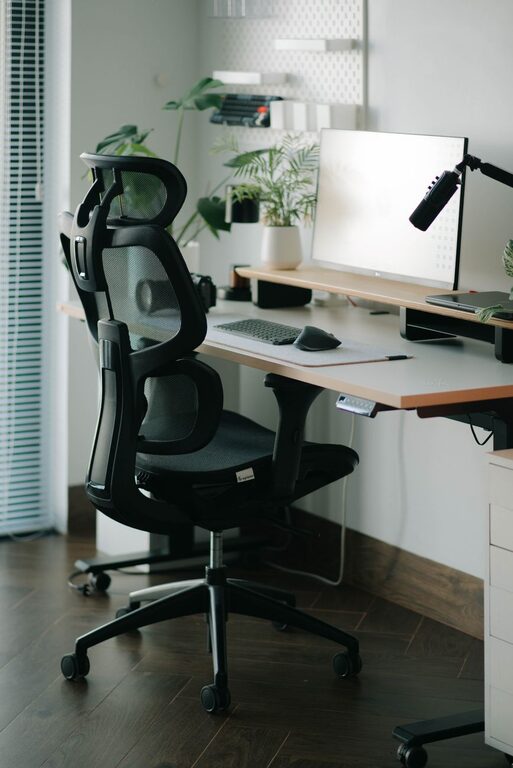
Creating a workspace that promotes both focus and comfort is essential for productivity and overall well-being. Whether you work from home, in an office, or a shared space, the right desk setup can make a significant difference in how you feel and perform. In this post, we’ll explore practical tips to design a desk area that supports your concentration and keeps you comfortable throughout the day.
Why Your Desk Setup Matters
Your environment influences your mindset and physical health. A cluttered, poorly designed workspace can lead to distractions, discomfort, and fatigue. In contrast, a well-thought-out setup supports good posture, reduces stress, and helps maintain focus. Investing time in optimizing your desk can boost your productivity and make work feel less like a chore.
Choose the Right Desk and Chair
Desk Selection
Start with a desk that fits your space and work needs. Consider the following:
– Size: Your desk should have enough surface area for your computer, essential tools, and a bit of extra space for notes or personal items.
– Height: A standard desk height is about 28-30 inches, but adjustable desks or sit-stand options are becoming popular for flexibility.
– Storage: If possible, choose a desk with built-in storage like drawers or shelves to keep clutter off the surface.
Chair Comfort
Your chair plays a crucial role in comfort and posture:
– Adjustability: Look for chairs with adjustable height, backrest angle, and armrests.
– Support: A chair with good lumbar support helps maintain the natural curve of your spine.
– Cushioning: Comfortable padding is important but avoid chairs that are too soft, which may reduce support.
Optimize Desk Arrangement for Focus
Position Your Monitor Correctly
Eye strain and neck pain are common issues caused by improper monitor placement.
– Place your monitor directly in front of you, about an arm’s length away.
– The top of the screen should be at or slightly below eye level.
– Use a monitor stand or stack books to adjust height if needed.
Keyboard and Mouse Placement
– Keep your keyboard and mouse close enough so your elbows stay close to your body.
– Your wrists should be in a neutral position, not bent up or down.
– Consider wrist rests if you type for long periods.
Lighting Matters
Good lighting reduces eye strain and helps you stay alert.
– Use natural light when possible. Position your desk near a window but avoid glare on your screen.
– Add a desk lamp with adjustable brightness and color temperature.
– Avoid overhead lights that create harsh shadows.
Declutter and Organize Your Desk
A tidy workspace helps clear your mind.
– Limit items on your desk to essentials.
– Use organizers like trays, pen holders, and cable management tools.
– Keep frequently used items within easy reach.
– Store papers and other materials in drawers or file holders.
Add Personal Touches Wisely
Personal items can make your workspace inviting but too many can distract you.
– Choose a few meaningful items, such as a small plant, photo, or artwork.
– Avoid noisy gadgets or anything that could interrupt your flow.
– Consider scent options like a subtle diffuser for a calming environment.
Maintain Good Posture and Take Breaks
Even the best desk setup can’t prevent fatigue if you stay in one position too long.
– Sit with feet flat on the floor and knees at about a 90-degree angle.
– Keep your back straight and shoulders relaxed.
– Take short breaks every hour to stand, stretch, and move around.
– Try the 20-20-20 rule: every 20 minutes, look at something 20 feet away for 20 seconds to rest your eyes.
Use Technology to Support Focus
– Use noise-canceling headphones or soft background music to block distractions.
– Employ productivity apps or timers to keep on task.
– Keep your phone on silent or in another room to avoid interruptions.
Flexibility and Personalization
Remember that every person’s needs and preferences differ. Experiment with your desk setup and adjust as needed. Some people work best sitting, others standing, and some like alternating between the two.
—
By thoughtfully setting up your desk and workspace, you can create an environment that encourages focus and comfort. Small changes like adjusting your chair height, improving lighting, or reducing clutter can have a big impact on your daily work experience. Take the time to personalize your area and maintain good habits, and you’ll likely notice improvements in productivity and well-being.